
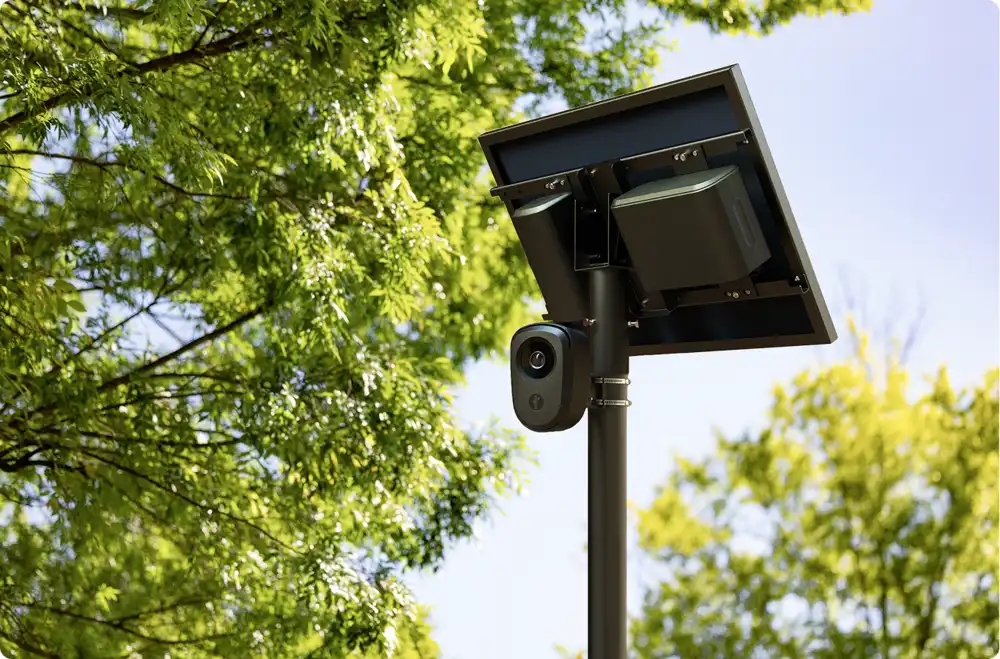
Across local government halls and community forums, Flock cameras face growing public scrutiny across Minnesota as residents, civic advocates, and elected representatives push back against the rapid expansion of automated license plate readers. The controversial technology, developed by surveillance provider Flock Safety, captures real-time photographs of passing vehicles and indexes details including license plates, vehicle make, color, and unique physical markings. While law enforcement agencies cite the system as an essential investigative resource for recovering stolen vehicles, locating missing individuals, and tracking criminal suspects, escalating public pushback centers on civil liberties, data retention policies, and potential unauthorized access.
The intensifying debate across the state has led multiple municipalities to pause, restrict, or terminate their contractual agreements with the surveillance vendor. In cities like Columbia Heights and Duluth, city leadership voted to end active Flock programs following persistent community objections regarding tracking capabilities and cross-jurisdictional data sharing. Elsewhere, local authorities in North Branch placed planned network expansions on hold, emphasizing that maintaining public trust in municipal technology must take priority over automated monitoring tools. The wave of cancellations reflects broader national concerns regarding how license plate databases are managed and audited.
A primary catalyst for the mounting skepticism involves transparency surrounding search authorization and third-party data access. Public inquiries and civil rights advocates have raised alarms after investigations revealed instances where local license plate logs were queried without verified case numbers or accessed for secondary purposes like immigration enforcement. Legal experts note that while individual license plates are displayed publicly on roadways, centralized network databases capable of mapping historical vehicle movements transform routine observation into systemic surveillance, prompting calls for strict judicial oversight and warrant requirements.
In response to widespread opposition and reported system abuses nationwide, Flock Safety recently announced platform updates intended to shorten standard data retention periods and enforce mandatory auditing guardrails for police departments. Despite these corporate software modifications, privacy groups remain skeptical, characterizing automated search auditing tools as insufficient fixes for fundamental constitutional concerns. As public discourse unfolds in city council meetings, Minnesota communities continue evaluating the delicate balance between public safety technology and individual privacy rights.