
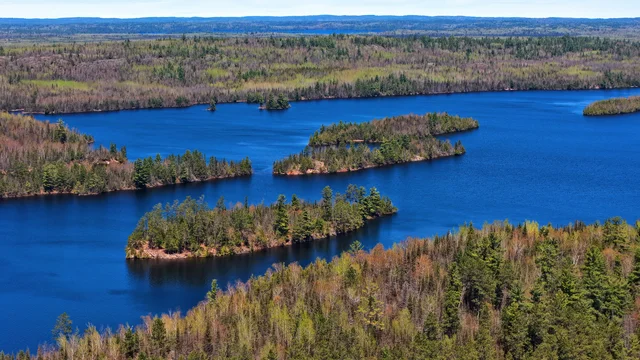
State executive action has reshaped Midwest environmental policy as Minnesota Gov. Tim Walz issuing executive order to block mining in Boundary Waters watershed areas moves to halt nonferrous mineral extraction near the pristine wilderness reserve. The landmark executive order directs state regulatory bodies, including the Minnesota Department of Natural Resources and the Minnesota Pollution Control Agency, to refrain from issuing new mineral leases or environmental permits within the Rainy River Headwaters Watershed. Spanning roughly 350 square miles of the Superior National Forest surrounding the Boundary Waters Canoe Area Wilderness, the protected area remains a vital ecological and economic treasure for northeastern Minnesota. State officials confirmed that the directive also instructs agencies to conduct an immediate review of all existing state mineral leases and stop cooperative environmental reviews with federal entities on nonferrous mining proposals in the region.
The decisive measure directly counters recent federal legislative efforts that sought to strip protections and reopen public lands adjacent to the wilderness to commercial extraction. Environmental advocates and regional conservation groups strongly commended the governor’s action, emphasizing that sulfide-ore copper and nickel mining poses irreversible contamination risks to interconnected waterways and aquatic ecosystems. State authorities emphasized that safeguarding the wilderness is essential for preserving public health, protecting Indigenous tribal heritage, and sustaining the regional outdoor recreation economy that supports local outfitters and tourism businesses throughout the North Shore corridor.
Industry representatives and mining advocates expressed sharp disappointment over the state mandate, arguing that critical mineral development is essential for national supply chains, technological infrastructure, and domestic economic growth. Analysts note that the directive effectively halts long-standing proposals by private developers, such as the Twin Metals project near Birch Lake, which required state-level environmental approvals and permits to proceed. Because any commercial mining project operating within Minnesota boundaries must comply with rigorous state environmental standards, the governor’s refusal to issue necessary state permits creates a major legal barrier for mineral extraction efforts regardless of federal leasing decisions.
Legal experts anticipate potential court challenges from mining groups seeking to overturn the administrative restrictions or test the scope of state authority over mineral rights. Nevertheless, state officials maintained that the executive branch holds explicit constitutional and statutory authority to regulate state waters, public lands, and environmental permitting processes. As state agencies begin executing the executive order, the decision marks a defining moment in the ongoing national debate over balancing natural resource extraction with long-term wilderness preservation.