
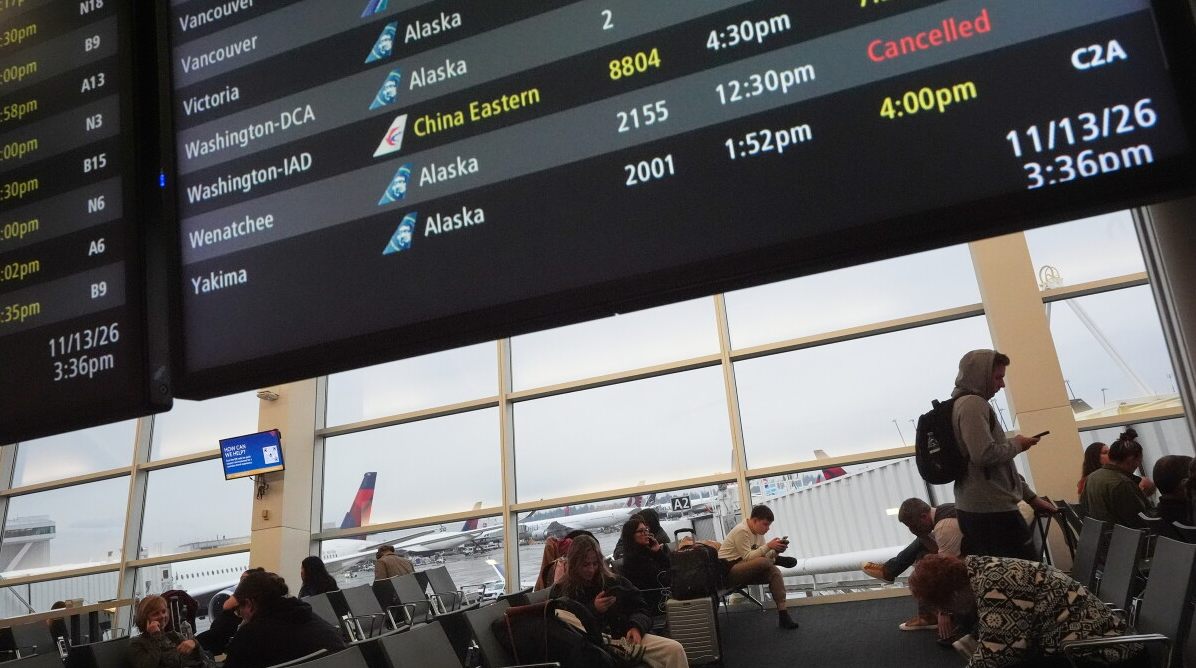
Following widespread disruptions across United States airports that stranded thousands of travelers on Friday, old tech blamed for the ground stop that caused flight chaos has prompted urgent federal scrutiny into aging air traffic control infrastructure. Speaking during a Friday evening press briefing, United States Transportation Secretary Sean Duffy attributed the nationwide flight freeze to antiquated telecommunications equipment that experienced intermittent radar and communication outages across multiple Air Route Traffic Control Centers. According to Duffy, decades-old switches, routers, and copper wiring dating back to the 1980s became overwhelmed and shut down after transmitting inconsistent data. The Federal Aviation Administration issued the rare nationwide ground stop at 20:54 UTC for safety precautions before lifting the restriction at 01:15 UTC, marking only the second nationwide stoppage since September 2001.
While federal officials pointed to legacy hardware failures, questions remain regarding the exact trigger that caused the network to become overloaded during an otherwise routine travel afternoon. Homeland Security Secretary Markwayne Mullin stated at the White House that investigators found no indication of a cyberattack or national security threat, noting that two regions within the country maintained normal communications throughout the incident. Meanwhile, speculation circulated online regarding whether the Federal Aviation Administration’s recent rollout of an artificial intelligence-assisted air traffic management tool known as the SMART system contributed to the network strain. However, Air Space Intelligence—the software vendor behind the platform—issued a formal statement denying any link, maintaining that the ground stop did not result from its software or system integration.
The operational fallout rippled across global aviation schedules well into Saturday. Aviation tracking data indicated that airborne traffic bound for United States airports dropped from over 4,000 flights when the stoppage began to fewer than 350 at its lowest point. Nearly 10,000 flights into and out of American hubs were canceled through Saturday, leaving passengers waiting hours on tarmacs for open gates and disrupting international connections, including long-haul routes serving diaspora communities. In response to the disruption, Senator Richard Blumenthal called for a thorough investigation into the communication failure ahead of the busy holiday travel season.
As old tech blamed for the ground stop that caused flight chaos dominates aviation policy discussions, airlines warned that restoring normal flight schedules and repositioning displaced crews will require sustained effort over the weekend. Officials acknowledged that a full technical root-cause analysis remains ongoing to determine precisely why the legacy infrastructure failed simultaneously across multiple facilities. Moving forward, lawmakers and aviation safety experts face renewed pressure to accelerate infrastructure upgrades and ensure resilient communication networks across the national airspace system.