
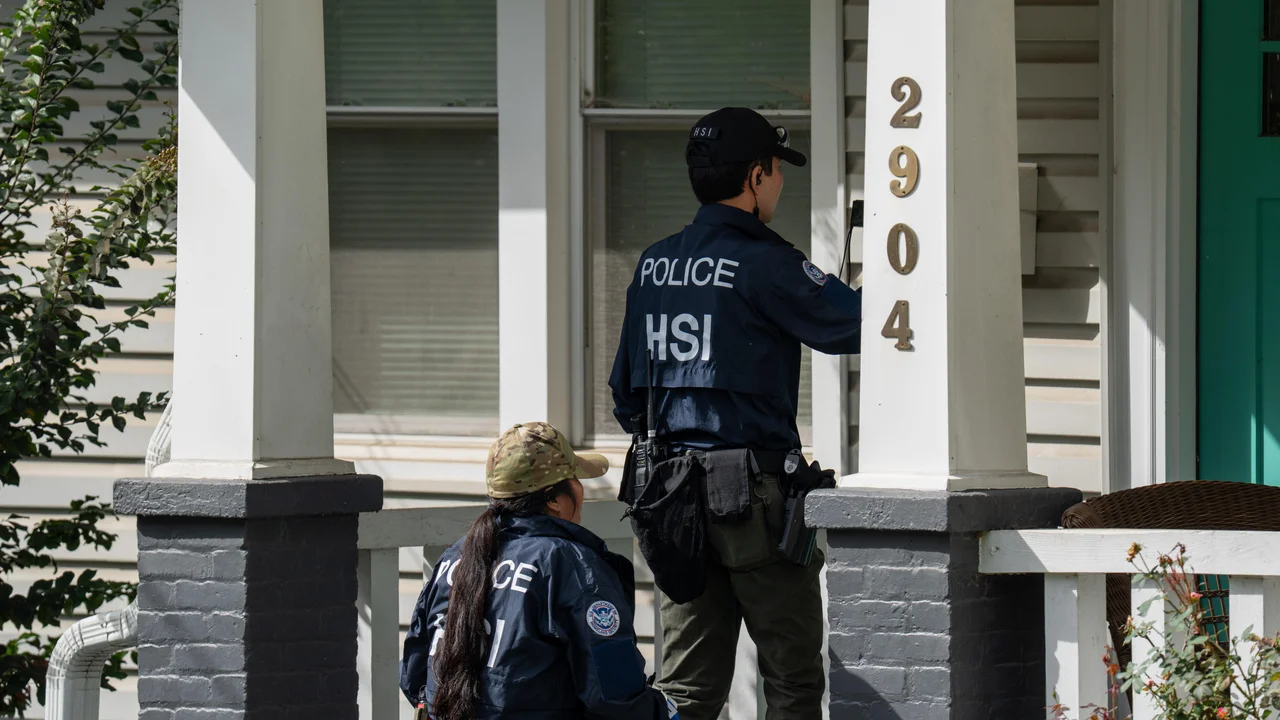
Newly unsealed federal court filings in Washington, D.C., have revealed new procedural details about the October search of the residence of Minnesota Democratic U.S. Representative Ilhan Omar, showing that the search of Ilhan Omar’s home sought evidence dating to 1980, a 46-year window, records show. According to nearly 170 pages of heavily redacted documents released on Monday, November 23, 2026, by U.S. District Chief Judge James Boasberg following a motion from more than a dozen news organizations, federal officials applied on October 2 for a warrant authorizing the seizure of records and materials relating to alleged violations involving Omar “occurring between 1980 to the present”. Judge Boasberg signed the warrant on October 9, and federal agents executed the search at Omar’s Washington residence on October 12—roughly three weeks before the November 3 midterm elections, in which the Somali American lawmaker won re-election.
Despite the partial unsealing, the specific criminal statutes under investigation, the underlying factual allegations, and the inventory of items seized remain obscured by extensive black redactions across more than 100 pages. Judge Boasberg ruled last week to keep a central 67-page search warrant affidavit under seal until prosecutors determine whether to pursue criminal charges, agreeing with the Department of Justice that premature disclosure could compromise an ongoing investigation. The released docket lists no criminal charges against Omar, and prosecutors have not publicly confirmed the nature of the probe. Notably, Omar’s official congressional biography lists her birth in Somalia in October 1982—two years after the 1980 starting point cited in the warrant application.
The court filings also noted that the warrant application identified Omar under an alternative name, Ilhan Nur Said Elmi. In a separate development on Tuesday, November 24, Justice Department lawyers filed a formal correction apologizing for what they described as an “inadvertent misunderstanding” in earlier court submissions, acknowledging they had inaccurately characterized the U.S. House General Counsel’s position on constitutional protections surrounding searches of a sitting member’s residence. Omar, who immigrated to the United States with her family as a refugee and became a naturalized citizen in 2000, has consistently denied any wrongdoing, calling the October search politically motivated and stating afterward that she would move out of the Washington residence after its address became public.
As the search of Ilhan Omar’s home sought evidence dating to 1980, a 46-year window, records show, legal and media observers note that the redacted filings leave fundamental questions unanswered regarding the scope and origin of the federal inquiry. News organizations have until November 30 to submit responses to the proposed redactions, while whether federal prosecutors will bring any charges or unseal the 67-page affidavit remains unconfirmed.