
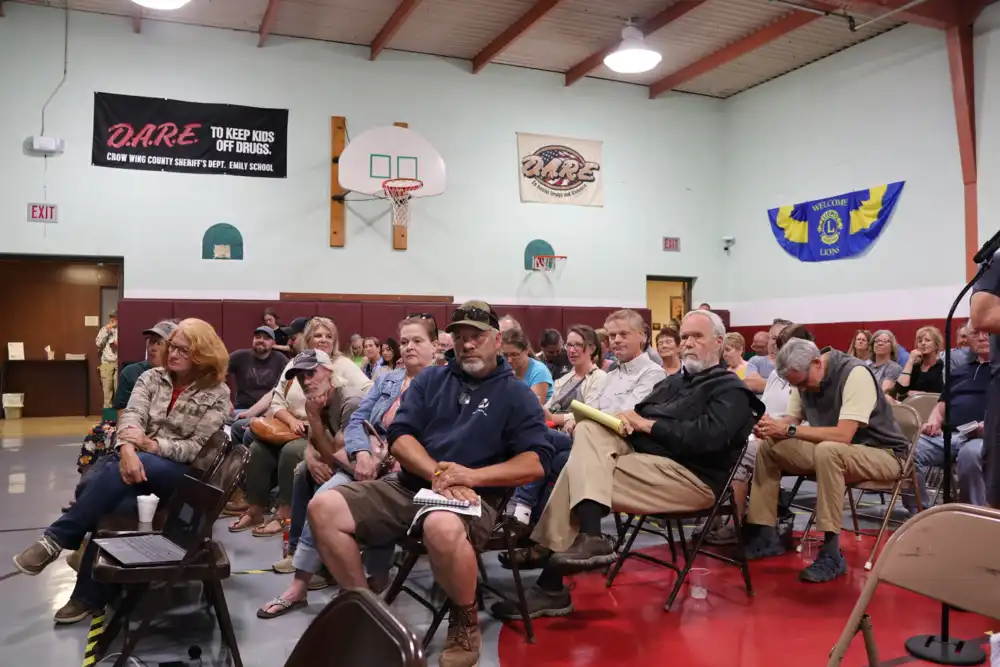
Tensions over green energy supply chains and local environmental protection collided this week as residents of northern Minnesota lake community voice skepticism about mining manganese near their pristine waterways. Local residents packed a town hall meeting in the city of Emily, located in Crow Wing County, to express deep reservations regarding preliminary plans for an underground mine less than two miles from downtown. The small, cabin-dotted community sits directly atop the largest high-grade manganese deposit in North America—a vital mineral increasingly sought after for manufacturing lithium-ion batteries used in electric vehicles and power storage. However, community members and local elected officials peppered company representatives with tough questions regarding how underground blasting, heavy equipment traffic, and industrial operations could irrevocably alter the quiet, tourism-dependent region.
A major driver of local concern centers on protecting regional groundwater and municipal drinking supplies from potential contamination. Manganese is a known neurotoxin at elevated levels, and residents expressed worry that deep underground drilling and rock blasting could cause naturally occurring heavy metals to leach into shallow aquifers that feed local private wells. Community leaders also pointed to a long history of unfulfilled testing promises made by prior land leaseholders over past decades, noting that trust remains a primary hurdle for developers. While the project is pitched as a critical step toward securing domestic mineral supplies for the clean energy transition, local property owners argue that industrial mining threatens the ecological health of surrounding lakes and could devastate the local resort and recreation economy.
Representatives from North Star Manganese and parent company Electric Metals attempted to reassure the crowd, explaining that the project remains in an exploratory phase while engineers conduct baseline environmental studies. Company executives noted that the proposed underground operation would utilize traditional blasting techniques and that extracted ore would be transported elsewhere for chemical processing rather than processed locally. However, state regulators from the Minnesota Department of Natural Resources clarified that any formal application would still require years of rigorous environmental review, public hearings, and state permitting before permission to break ground could ever be granted. For now, Emily residents maintain a cautious and watchful stance, demanding full transparency before allowing industrial operations near their waters.