
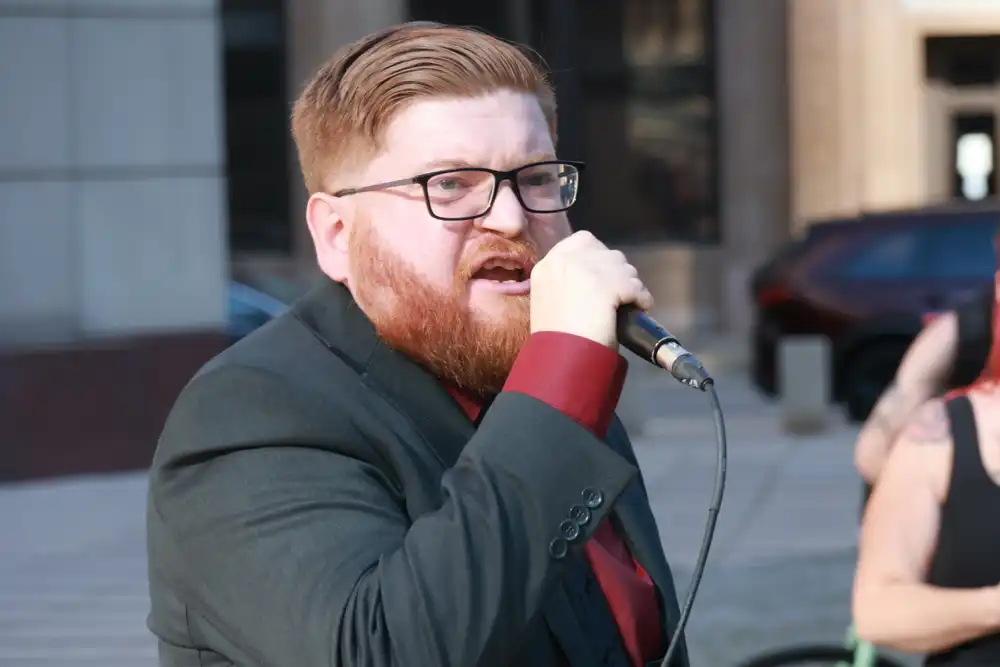
Civil liberties and national security law converged in Minneapolis federal court on Thursday as a defense lawyer for anti-ICE activists makes case in court for release of more details of federal surveillance operations conducted across the Twin Cities. During a high-stakes discovery hearing, defense counsel representing members of the so-called Minnesota 15—a group of activists facing federal conspiracy charges—demanded that prosecutors disclose unredacted internal intelligence files, operational logs, and government directives. Attorneys argued that expanding access to these classified investigative records is critical to demonstrating whether the underlying multi-agency crackdown was politically motivated or designed to suppress constitutionally protected speech.
The legal dispute centers on extensive surveillance initiatives conducted by the U.S. Department of Homeland Security and affiliated federal agencies during intense immigration enforcement pushes in Minnesota. Unsealed court filings reveal that federal agents executed widespread intelligence gathering under codenames such as Operation Puppet Master, Operation Keyhole, and Project Whipple Shield. These operations involved placing undercover operatives into community meetings, monitoring public resistance training sessions, deploying vehicle license plate scanners outside labor halls, and surreptitiously recording gatherings hosted in local houses of worship.
Presenting arguments before U.S. Magistrate Judge David Schultz, lead defense attorney Kevin Riach asserted that federal authorities do not warrant the standard legal presumption of prosecutorial regularity. Riach highlighted evidence indicating undercover infiltration occurred even within religious institutions protected by active federal court injunctions prohibiting immigration enforcement actions. Defense lawyers maintained that complete disclosure of internal Department of Justice directives is necessary to establish if federal investigators improperly targeted non-profit organizations, labor unions, and peaceful advocates for exercising First Amendment rights.
Federal prosecutors firmly resisted the defense motion, arguing that the government’s surveillance activities were fully lawful, proportionate, and initiated in response to specific security concerns regarding public safety. Assistant U.S. Attorney Sommer Lindsay Honeycutt informed the court that law enforcement surveillance was prompted by direct-action rhetoric, reported harassment near federal buildings, and potential security threats to immigration personnel. As the court takes the discovery motions under advisement, the proceeding marks a pivotal test for executive oversight, transparency boundaries, and constitutional protections surrounding political assembly in Minnesota.